How to Get Your Car Through the Műszaki Vizsga in Budapest
16 October 2026 · 8 min read
If you live in Budapest and own a car, sooner or later you will have to deal with the műszaki vizsga - the mandatory periodic vehicle inspection every car registered in Hungary must pass. For newcomers, expats, and students who have just bought their first car in the city, the process can feel confusing: where do you go, what do you need to bring, and what happens if your car fails? This guide walks you through the whole process step by step, using real inspection stations and workshops from across the city.
What is the műszaki vizsga?
The műszaki vizsga is Hungary's compulsory roadworthiness test. It checks that a vehicle's brakes, lights, steering, emissions, tyres, and general condition meet the legal safety standard. Without a valid inspection sticker, you are not allowed to drive the car on public roads, and police checkpoints do look for it. Passenger cars usually need to be re-inspected every one or two years depending on the age of the vehicle (new cars get a longer first interval, older cars are checked more often), and the test is carried out at licensed inspection stations - in Hungarian, vizsgabázis or vizsgaállomás - rather than at an ordinary repair garage.
It's worth knowing that the inspection is separate from (though sometimes offered alongside) the eredetiségvizsgálat, the origin/identity check required when a car changes ownership or is imported, and from the KGFB, the compulsory third-party liability insurance that every registered vehicle must carry. The three are often confused by people new to the Hungarian system, but they are three different procedures with three different purposes, and some stations - like the one in the XX. district listed below - offer more than one of them under the same roof, which can save a separate trip.
As a rough rule of thumb, a brand-new car gets a longer first interval before its initial inspection is due, and after that most passenger cars are checked every one to two years, with older vehicles generally inspected more frequently than newer ones. The exact interval for your specific car is printed on your registration documents and in the national vehicle database, so if you are not sure when your sticker expires, that is the first thing to check - a station can also look this up for you by your plate number if you ask.
Why this matters more than it might seem
It is tempting, especially for a first car, to treat the inspection as paperwork to deal with at the last minute. In practice it has real consequences. Driving with an expired inspection is something traffic police actively check for at routine stops, and it can also cause problems if you are ever involved in an accident or need to make an insurance claim, since insurers and authorities expect the vehicle to have been roadworthy and legally on the road at the time. For anyone new to Hungary who is used to a different system - a different renewal rhythm, a different kind of testing centre, or no periodic test at all - it is worth building the Hungarian cycle into your calendar from day one rather than relying on reminders from your previous country's system, which obviously will not apply here.
Step 1: Prepare your documents
Before heading to a vizsgabázis, make sure you have:
The vehicle's registration documents (forgalmi engedély)
Proof of valid KGFB liability insurance
Your ID or residence card
Payment for the inspection fee (card payment is widely accepted, cash usually too)
If your KGFB has lapsed or you are unsure whether it is active, it is worth stopping at an insurance office first. {{biz:generali-kepviselet-budapest-viii-kerulet}} in the VIII. district is one example of a local agent who can check your policy status or set up new cover before your appointment.
Many drivers - especially with an older car, or one they have just bought second-hand - choose to have a mechanic look the car over before the official test, so that any obvious faults (worn brake pads, a cracked light cover, low tread depth) can be fixed in advance rather than causing a failed inspection and a second visit. A general autószerviz such as {{biz:kesoto-kft-autoszerviz-budapest-xi-kerulet}} in the XI. district, open on weekday mornings, can carry out this kind of pre-check and basic repairs.
Tyres are one of the most common reasons for a failed test, since worn tread or an incorrect size is an easy thing to miss day to day. A combined tyre and inspection workshop such as {{biz:gumis-muszaki-vizsga-gumiszerviz-budapest-xiii-kerulet}} in the XIII. district lets you deal with tyres and the inspection appointment in the same visit, which saves a trip.
Step 3: Book the inspection
Inspection stations are spread across the city, so it is worth choosing one that is convenient for where you live or work rather than travelling across Budapest. A few examples, each in a different district:
{{biz:wbs-auto-muszaki-vizsgabazis-budapest-x-kerulet}} - X. district, open weekday mornings to afternoon, closed at weekends
{{biz:muszaki-vizsgabazis-budapest-iii-kerulet-obuda-budapest-iii-kerulet}} - III. district (Óbuda), open Monday to Friday 8:00-16:00
{{biz:fusch-r-kft-muszaki-vizsga-budapest-xiv-kerulet}} - XIV. district, open Monday to Friday 8:00-17:00
{{biz:muszaki-vizsga-allomas-eredetvizsga-examination-kft-budapest-xx-kerulet}} - XX. district, also handles eredetiségvizsgálat (origin checks)
{{biz:autovizit-muszaki-vizsgaallomas-budapest-xv-kerulet}} - XV. district, open Monday to Friday 8:00-17:00
All of the stations above are open on weekdays only and closed at weekends, which is typical for this kind of service in Hungary, so plan your visit for a weekday and allow time if you commute during working hours. Some stations let you book a time slot in advance by phone or through their website, which can save a long wait, especially around the beginning and end of the month when demand is higher.
When you are comparing stations, a few practical questions are worth asking on the phone before you commit to one: whether you need to book ahead or can simply turn up, whether they accept card payment, whether they can also handle the eredetiségvizsgálat or KGFB paperwork if you need it, and how long the queue typically runs at the time of day you plan to come. Stations located slightly outside the very centre of the city, such as the ones in the X., XIV., XV. and XX. districts above, tend to have more on-site parking than those in the inner districts, which matters if you are driving the car there yourself and want somewhere to leave it while it is being checked.
Step 4: The inspection itself
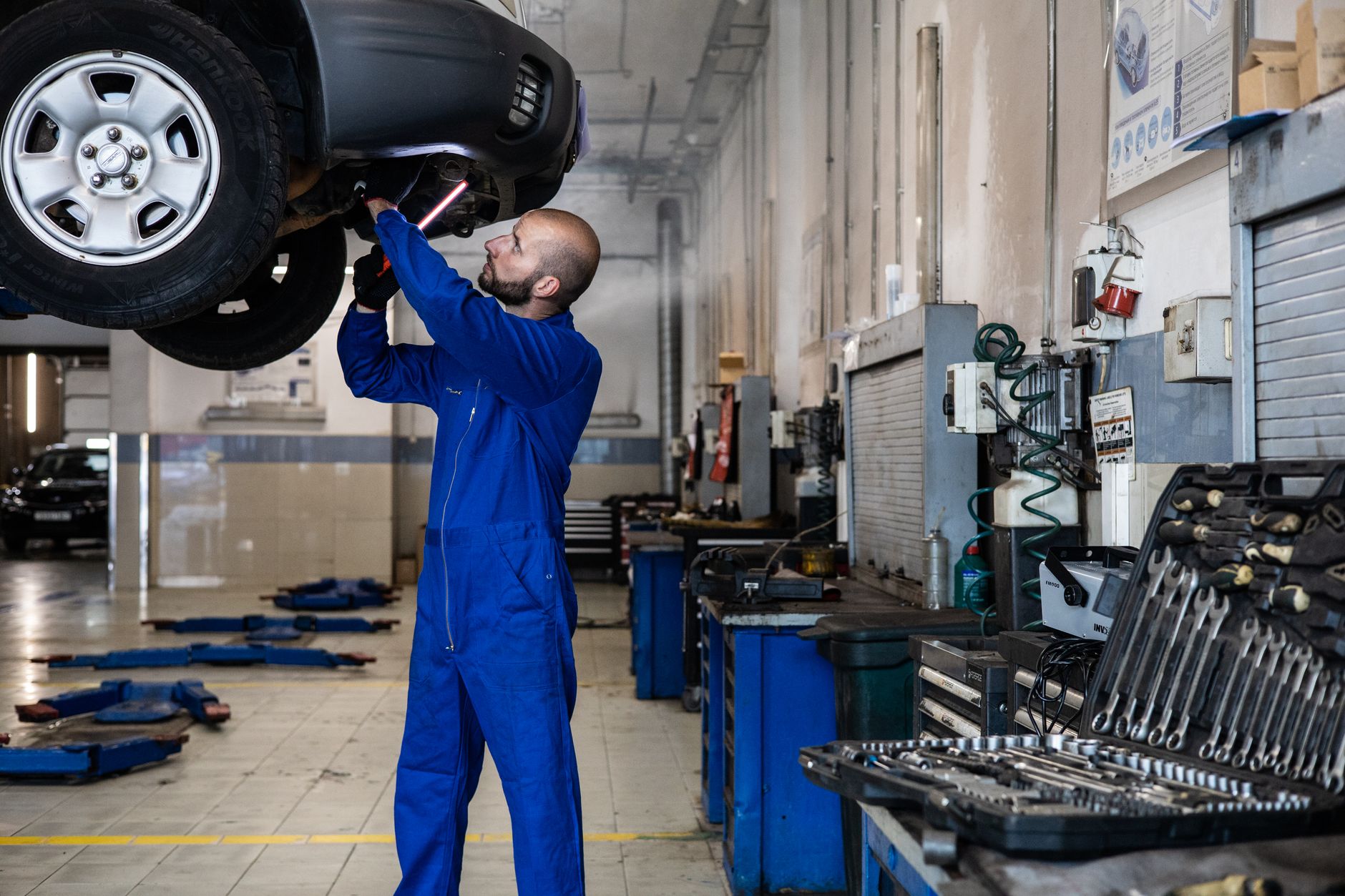
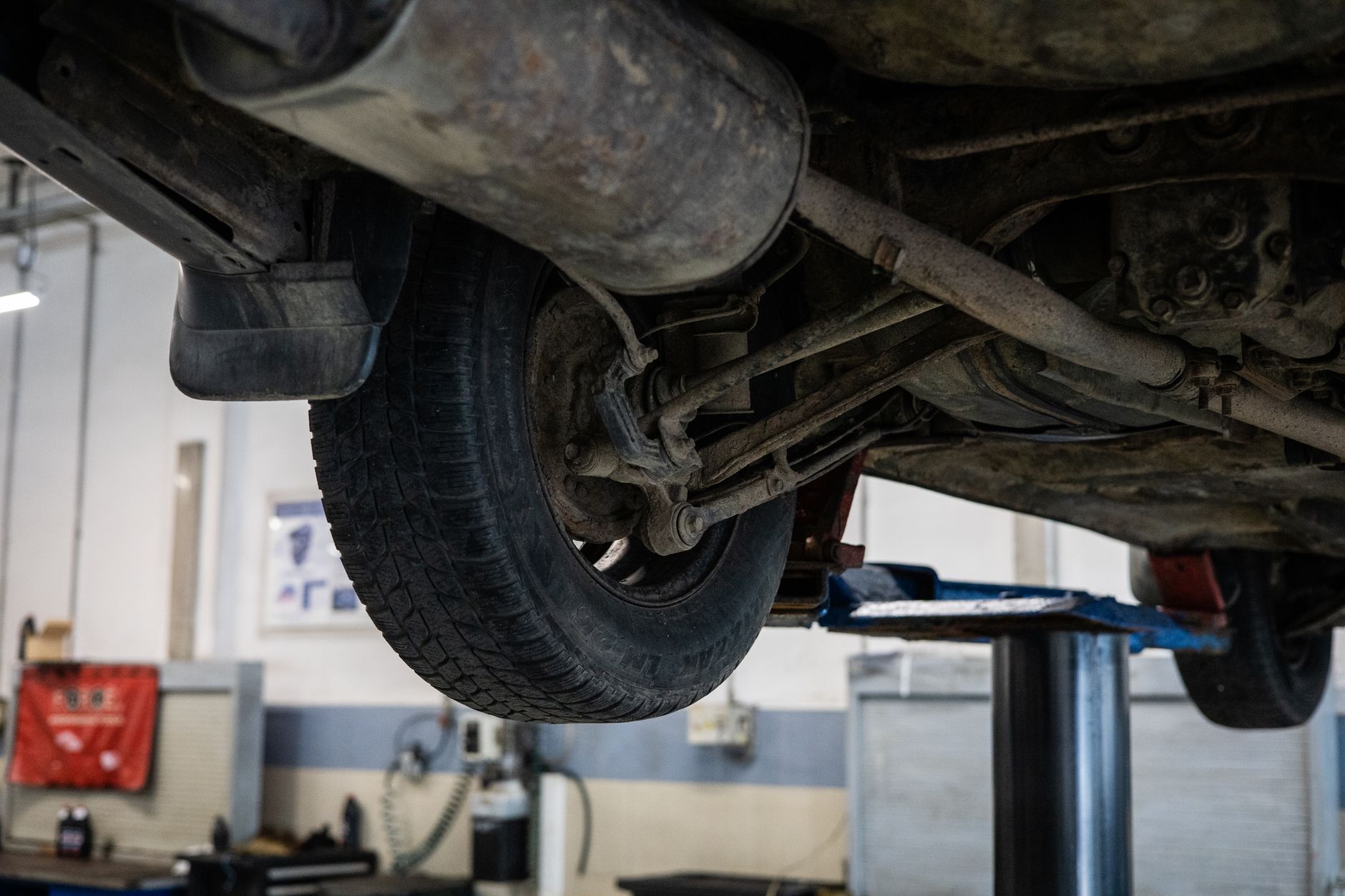
On the day, an inspector checks the car's lights, brakes, steering, suspension, tyres, emissions, windscreen and seatbelts, and compares the vehicle identification number against the registration documents. The process for an ordinary passenger car typically takes well under an hour if there are no issues. If everything is in order, you receive a new inspection sticker for the windscreen and the valid-until date is updated in the national vehicle register, so you do not usually need to carry a separate paper certificate.
If the car fails, the station will tell you exactly what needs fixing. Minor issues (a blown bulb, worn wiper blades) can often be corrected on the spot or very quickly nearby, after which the car is re-tested, sometimes the same day and sometimes for a reduced follow-up fee. More serious mechanical issues may mean a return visit once a workshop has made the repair.
Throughout the appointment, it helps to stay with the car or nearby rather than leaving entirely, in case the inspector has a question about the vehicle's history or wants to point out a fault in person. Bring a phone charger or something to read - at busy times, even a smooth pass can take a while once you include the paperwork at the end. If language is a concern, most stations are used to dealing with foreign-registered documents and non-Hungarian speakers, since Budapest has a large population of expats and international students with cars, but calling ahead in simple terms to confirm they can serve you in English is a reasonable precaution if your Hungarian is limited.
What first-time and newly arrived car owners often get wrong
A few mistakes come up repeatedly among people going through this for the first time in Hungary:
Confusing the inspection with the insurance. The KGFB liability insurance and the műszaki vizsga are checked independently of one another, and having one valid does not mean the other is automatically in order. Carrying proof of both, and renewing both on time, avoids awkward surprises.
Assuming any garage can issue the sticker. Only licensed vizsgabázis/vizsgaállomás locations are authorised to carry out the official test and issue the result; an ordinary repair shop can prepare the car but cannot certify it.
Leaving it to the last week. Demand rises sharply right before a sticker expires, so stations can be busier and slots harder to get at short notice. Booking a week or two ahead of the deadline, where the station allows it, avoids the scramble.
Not updating address or ownership details beforehand. If you have recently registered the car in your own name after buying it second-hand, make sure that process is fully completed - including any required eredetiségvizsgálat - before you turn up for the periodic inspection, since mismatched paperwork can delay things on the day.
A few practical tips make the whole cycle easier the next time around:
Note the expiry date of your current inspection somewhere you will actually see it - a failed or missing inspection is also something traffic police check for.
Keep basic maintenance (oil, brake pads, tyre tread, lights) up to date throughout the year rather than only before the test; it reduces the chance of a surprise failure.
If you have just moved to Hungary and imported a car, factor in time for the eredetiségvizsgálat and registration before you can even book the inspection.
Keep your KGFB insurance active without a gap - even a short lapse can be expensive to resolve and is checked as part of registration and inspection paperwork.
Final thoughts
The műszaki vizsga is one of those bureaucratic rituals of car ownership in Hungary that feels intimidating the first time and routine after that. Choosing a station close to home, bringing the right documents, and getting an informal pre-check if the car is older or new to you will get you through with the least hassle. Budapest has inspection stations, tyre specialists and general repair workshops in almost every district, so there is rarely a need to cross town for an appointment - use the local directory to find the nearest one and book ahead where you can.
A practical cost breakdown for private GPs, dentists, specialists, eye care and physiotherapy in Hungary in 2026, plus how the TAJ card, háziorvos and beutaló system fits around it.
A practical guide to Budapest's District XIII for expats and newcomers: getting around, food and coffee, doctors, dentists and vets, fitness, parks, and everyday errands, with real local businesses along the way.
A practical explainer for visitors and expats on the real differences between a Hungarian gyogyfurdo (medicinal bath), a strandfurdo (outdoor pool) and a modern wellness spa - what each offers, how to choose, and what to know before your first visit.
thermal bathswellnessbudapest
Welcome to Local HungaryLet me help you find a great place today!