If you are moving to Budapest and looking for a district that feels residential rather than touristy, still sits close to the Danube, and keeps you a short tram ride from downtown, District XIII (Budapest XIII. kerület) is one of the best options to consider. It stretches from the riverside neighborhood of Újlipótváros, just north of Margaret Island, through Angyalföld and Vizafogó, and it is home to a large share of Budapest's expat and international community. This guide walks you through getting around, eating and drinking, staying healthy, staying active, and handling everyday errands in the district, with real local businesses linked along the way so you can see exactly what is nearby.
Why District XIII?
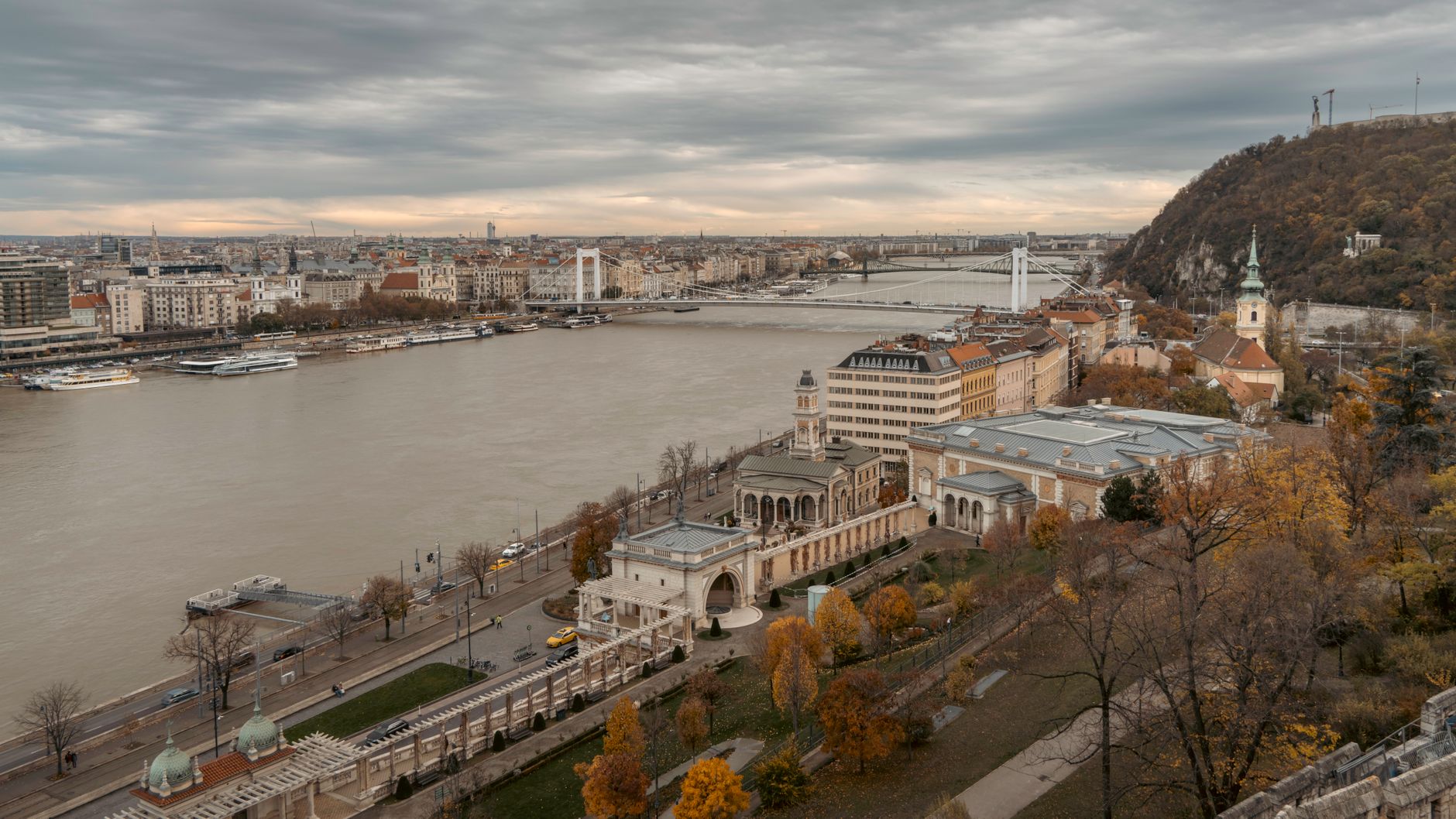
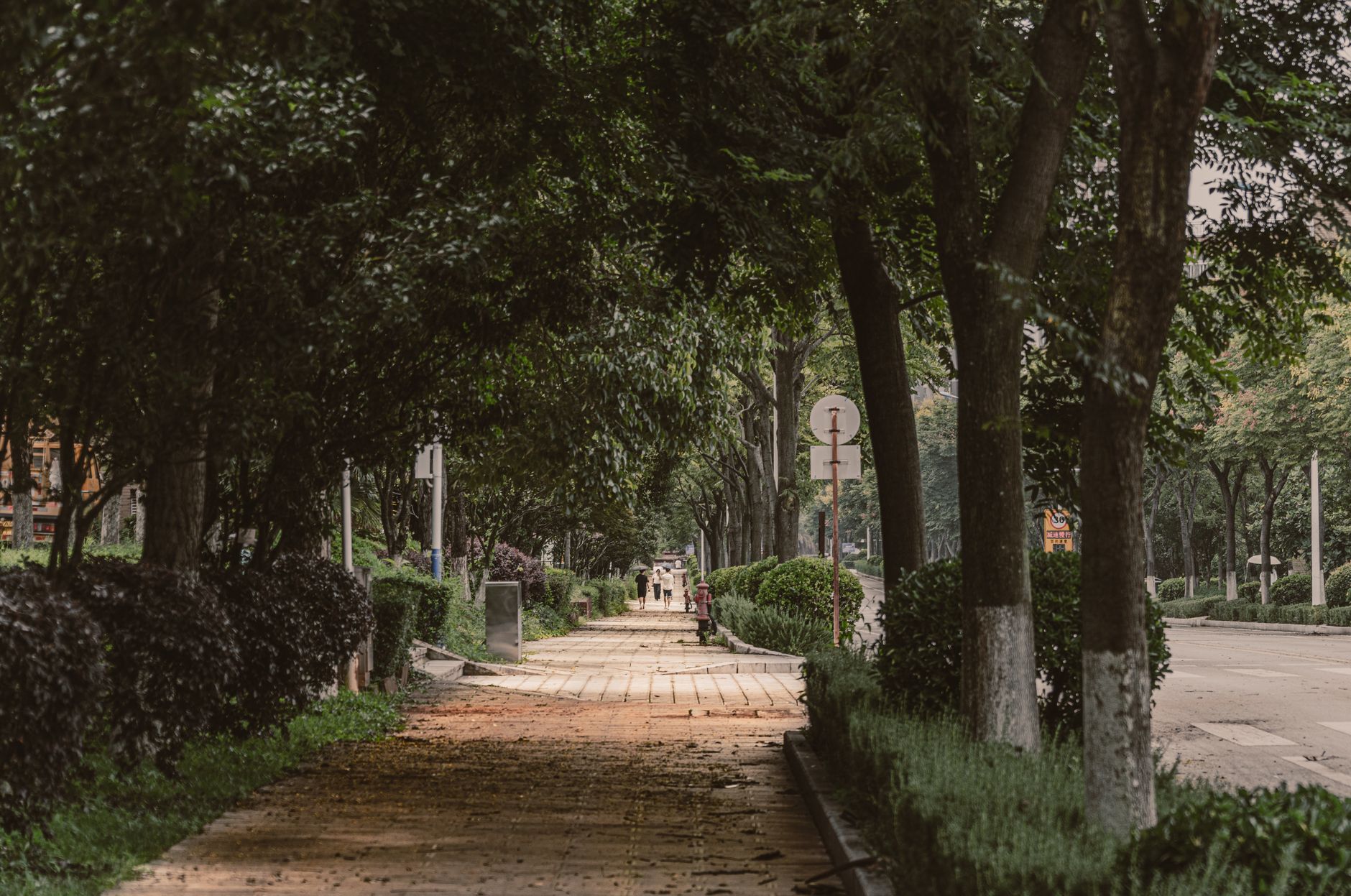
District XIII does not have the postcard views of the Castle District or the nightlife density of District VII, and that is exactly its appeal. Újlipótváros, closest to the river and Margaret Island, is full of early-20th-century apartment buildings, wide tree-lined streets, and a genuinely local atmosphere. Further north, Angyalföld and Vizafogó are more modern and residential, with newer housing developments, riverside parks, and a shopping mall (Átrium Park) that covers most day-to-day needs. Families are drawn here for the schools and parks; young professionals and remote workers for the river views and easy commute; and almost everyone for the fact that prices for both renting and eating out tend to be a notch more reasonable than in the central districts.
Margaret Island (Margit-sziget), the car-free island park sitting in the middle of the Danube, is effectively District XIII's backyard. It is reachable on foot or by bike from Újlipótváros in a few minutes, and it offers running tracks, a musical fountain, thermal baths, and enough green space to make a weekend feel like a mini escape without leaving the city. If you are flat-hunting in the district, it is worth factoring in how close a given street is to the island, since that proximity is one of the biggest quality-of-life differences between otherwise similar apartments.
Getting Around: Trams, Metro and Parking
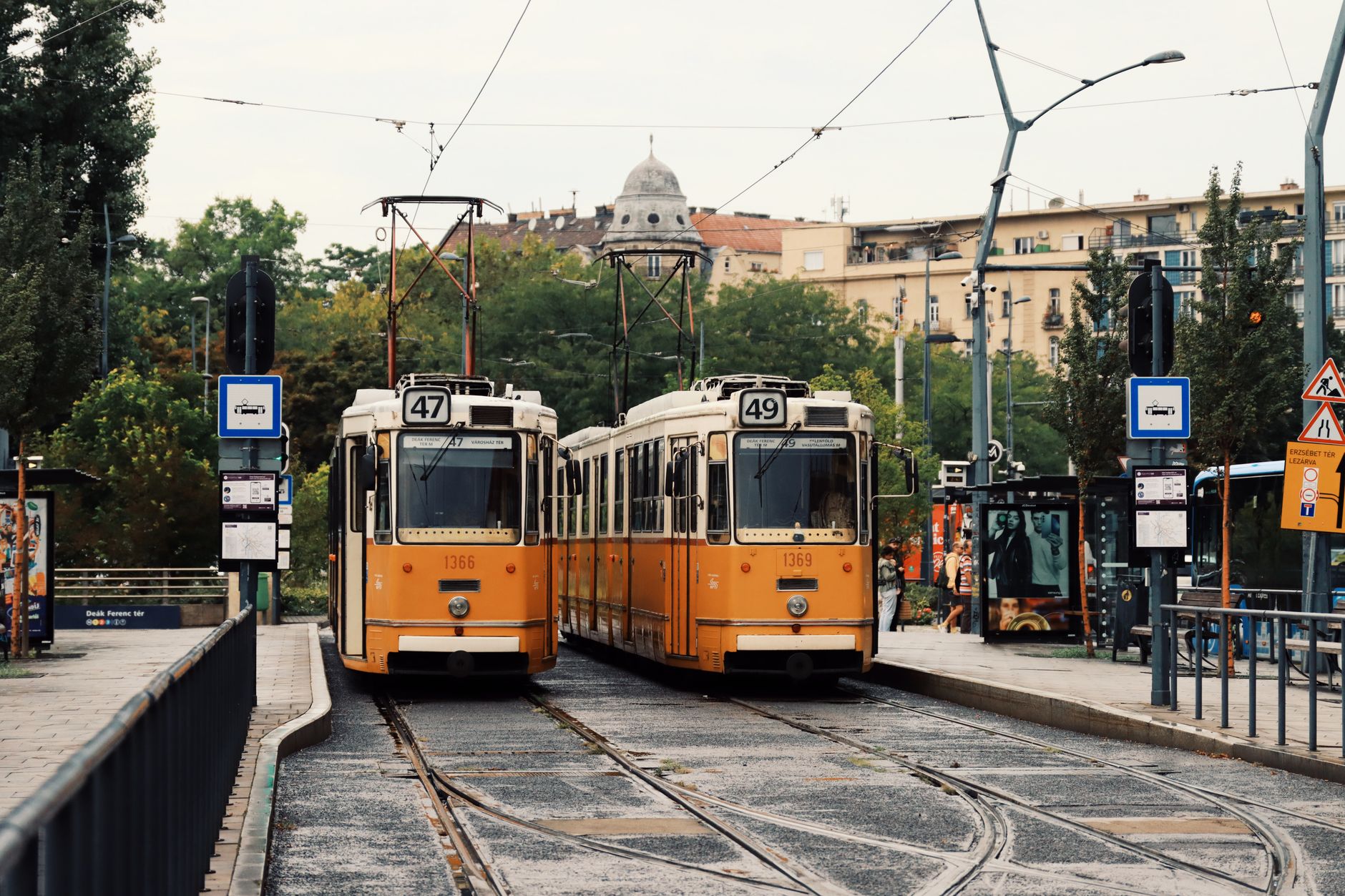
District XIII is one of the easiest parts of Budapest to get around without a car. Tram lines 1 and 4/6 run along the district's main arteries, connecting Újlipótváros and Angyalföld directly to the Nyugati railway station, the Buda side, and the rest of the Nagykörút (Grand Boulevard) ring. The M3 metro line also clips the southern edge of the district. If you do drive, be aware that most of Újlipótváros falls inside Budapest's paid parking zones (jelzett várakozási övezet) on weekdays, so check the signs or the relevant parking app before leaving your car on the street for long. Bicycles are a realistic option too: the riverside stretch along the Danube is flat and mostly separated from traffic, and the district connects smoothly to the MOL Bubi public bike-share network.
Hollán Ernő utca and the streets around it have become one of Budapest's most dependable stretches for casual dining, partly because the area has such a dense residential population to support it. {{biz:csevapivo-kafana-balkan-grill-es-beer-budapest-xiii-kerulet}} is a good example: a Balkan-style grill and beer spot that is popular for its generous portions and relaxed, no-frills atmosphere, the kind of place locals return to rather than a one-time tourist stop. Elsewhere in the district you will find everything from quick lunch spots near the office blocks on Váci út to quieter neighborhood bistros tucked into the side streets of Angyalföld.
For a daily coffee routine, {{biz:zuzu-cafe-es-bakery-budapest-xiii-kerulet}} on Szabolcs utca pairs fresh bakery items with a solid coffee menu, and it is the kind of café where you can comfortably bring a laptop for an hour without feeling rushed. Most cafés and restaurants in the district accept card payments, and many also accept the SZÉP-kártya, a benefits card Hungarian employers can top up tax-advantageously for use on food, accommodation and leisure spending — worth asking about if your employer offers one, since it effectively works like a second payment card at participating merchants.
Staying Healthy: Doctors, Dentists and Vets
Healthcare access is one of the first things newcomers need to sort out, and District XIII is reasonably well served. If you are an EU citizen working in Hungary, you will be issued a TAJ-kártya (the Hungarian social security card), which gives you access to the public healthcare system, including an assigned háziorvos, the general practitioner who acts as your first point of contact and, when needed, issues a beutaló (referral) to a specialist. Many expats also choose private care for speed and English-language service; {{biz:tritonlife-medical-center-xiii-kerulet-budapest-xiii-kerulet}} on Róbert Károly körút is a private medical center offering general and specialist consultations without the waiting times sometimes associated with the public system.
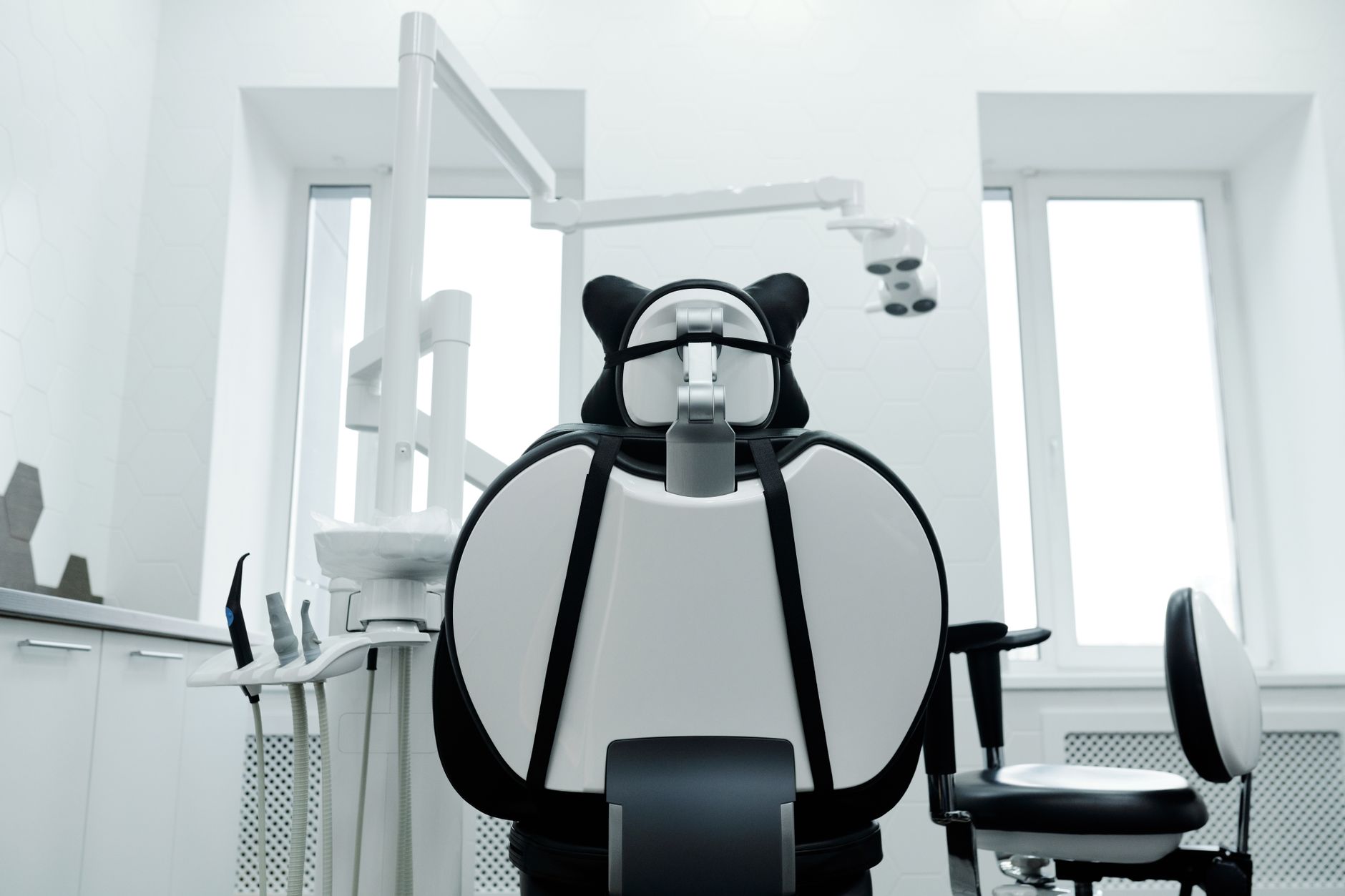
Dental care is almost always handled privately in Hungary, and District XIII has a strong concentration of dental clinics partly because Hungary is a well-known destination for dental tourism from Western Europe. {{biz:clinident-fogaszati-centrum-budapest-xiii-kerulet}} on Tutaj utca is one of the district's dental centers offering a full range of treatments. For prescriptions, note that Hungary uses the EESZT electronic health record system together with e-recept (e-prescription): once a doctor issues a prescription electronically, you can collect the medication at any gyógyszertár (pharmacy) using your TAJ card or ID, without needing a paper slip. Most neighborhoods, including this one, also have an ügyeletes gyógyszertár, a pharmacy on a rotating late-night and weekend duty roster, for when you need medication outside normal hours.
Pet owners are well covered too. {{biz:hozd-ide-allatorvosi-rendelo-budapest-xiii-kerulet}} on Jász utca is a local veterinary practice handling routine checkups as well as more involved treatment, and it is a reminder that if you are bringing a pet into Hungary from abroad, or traveling with one later, you will need an EU pet passport or the equivalent documentation and up-to-date vaccinations, which a local vet can help you arrange.
Fitness, Parks and the Riverside
District XIII has more green space per resident than most of inner Budapest, largely thanks to the Danube-side parks in Vizafogó and Angyalföld. These riverside paths are popular for running, cycling and simply walking off a long work day, and in the warmer months they fill up with people picnicking or watching the river traffic go by.
If you prefer training indoors, {{biz:struve-fitness-do-it-together-budapest-xiii-kerulet}} on Klapka utca is a well-reviewed gym in the heart of Újlipótváros, offering a straightforward alternative to the big chain gyms for people who want a more personal training environment. Between the gyms, the riverside paths and the district's several public parks, it is easy to build a regular fitness routine here without needing to travel outside the neighborhood.
Books, Shopping and Everyday Errands
For English-language and Hungarian books alike, {{biz:l-es-l-konyvesbolt-budapest-xiii-kerulet}} on Hegedűs Gyula utca is a long-standing neighborhood bookshop, useful both for picking up reading material and for a browse when you want a break from screens. Day-to-day shopping is easy to manage: the district has supermarkets on nearly every main street, along with the Átrium Park shopping center near the Árpád híd area for a wider range of retail under one roof.
For bureaucratic errands, Hungary centralizes most administrative tasks — ID cards, address registration, vehicle matters — through the kormányablak (government window) offices, a one-stop public service point found in every district; the nearest one for District XIII residents is worth bookmarking before you need it urgently, since appointment slots can fill up, especially around the start and end of the month. If you are new to Hungary, you will also want a lakcímkártya (official address card), which you get after registering your address, since it is often requested alongside your ID for everything from opening a bank account to signing a phone contract.
Practical Tips for Newcomers
A few things make life in District XIII noticeably easier once you know them. First, give yourself time to learn the tram and parking rhythm of your specific street — Újlipótváros streets near Szent István Park are more tightly parking-controlled than streets further north in Angyalföld. Second, if you plan to drive anywhere, remember Hungary's toll system for motorways: you will need an e-matrica (electronic vignette) rather than a physical sticker, purchased online or at petrol stations, if you plan trips outside the city. Third, keep in mind that most shops close earlier on Sundays, and some close entirely, so weekday or Saturday morning errands tend to be more reliable than a Sunday afternoon dash.
It is also worth knowing how rental housing works here before you start looking. Most apartments are listed and shown through local real-estate agents rather than directly by landlords, lease terms are typically one year with the option to renew, and you should expect to pay a deposit (usually one to two months' rent) on signing. Utilities (közös költség for the building's shared costs, plus gas, electricity and water) are usually billed separately from rent, so always ask what is included before agreeing to a price. Comparing a handful of current listings in Újlipótváros versus Angyalföld is the fastest way to get a feel for the real price differences, since they can vary noticeably street by street.
Taken together, District XIII offers something that is genuinely useful for anyone settling into Budapest: a residential, walkable, well-connected part of the city where the practical side of daily life — healthcare, food, fitness, shopping, and getting around — is close at hand without the premium of living in the very center. Whether you end up in a riverside Újlipótváros apartment or a quieter street in Angyalföld, the businesses and services above are a solid starting point for finding your footing in the neighborhood.
A practical cost breakdown for private GPs, dentists, specialists, eye care and physiotherapy in Hungary in 2026, plus how the TAJ card, háziorvos and beutaló system fits around it.
A practical explainer for visitors and expats on the real differences between a Hungarian gyogyfurdo (medicinal bath), a strandfurdo (outdoor pool) and a modern wellness spa - what each offers, how to choose, and what to know before your first visit.
A practical, step-by-step guide for expats and new car owners to the mandatory Hungarian vehicle inspection: what documents you need, which stations to use across Budapest, and the mistakes first-timers often make.
muszaki vizsgacarsbudapest
Welcome to Local HungaryLet me help you find a great place today!