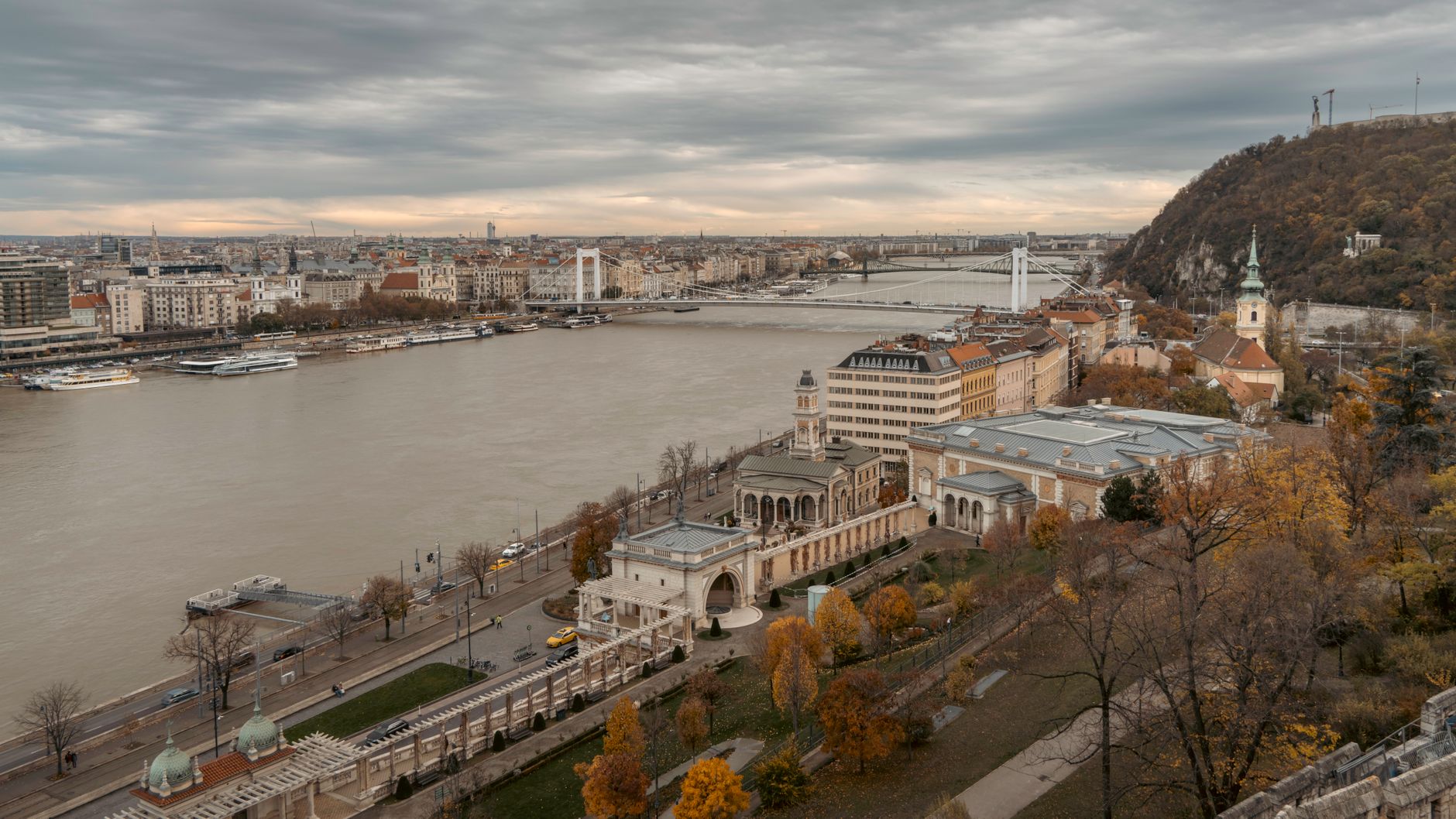
If you have spent even a day in Budapest, you have probably noticed that bathing culture is everywhere: domed bathhouses older than the city's own metro system, steaming outdoor pools in the middle of winter, and locals who talk about "going to the bath" the way other nations talk about going to the gym. Hungary sits on one of Europe's richest networks of underground thermal water, and over the centuries that geology has turned into a whole category of everyday life.
But newcomers quickly run into a vocabulary problem. Is a "thermal bath" the same as a "medicinal bath"? Is a wellness hotel spa the same experience as the famous Széchenyi baths you have seen in photos? And does a doctor's referral or a health condition actually matter if you just want to relax for an afternoon? This guide breaks down the real differences between a gyógyfürdő (medicinal bath), a strandfürdő (outdoor swimming bath) and a modern wellness spa, so you know exactly what you are booking before you show up with your swimsuit.
Why Hungary Is Called the "Country of Baths"
Hungary, and Budapest in particular, sits above a dense network of natural hot springs. More than a thousand springs bring mineral-rich water to the surface across the country, and the Hungarian capital alone has well over a hundred of them. The Romans built baths here two thousand years ago, the Ottomans added the domed bathhouses that still define the cityscape, and the 19th and 20th centuries added the grand Art Nouveau and Neo-Baroque bath palaces that tourists line up for today. This long history is why bathing in Hungary is not treated as a tourist novelty; it is a normal part of weekly life for a huge number of residents, young and old.
Gyógyfürdő: What Actually Makes a Bath "Medicinal"
A gyógyfürdő is a bath built around water that has been officially certified by Hungarian health authorities as having a specific mineral content and therapeutic effect — things like sulphate, calcium, magnesium or sulphurous compounds that are believed to help with joint pain, arthritis, circulation problems or post-injury rehabilitation. The certification is a legal and medical designation, not a marketing term, so you will see it used consistently in official names such as "Gyógyfürdő és Uszoda" (medicinal bath and swimming pool).
In practice, this means a gyógyfürdő usually combines several different pools at different temperatures, often both indoors and outdoors, plus saunas, steam rooms and sometimes a separate swimming pool (uszoda) for lap swimming. You do not need a doctor's referral to visit one for leisure — anyone can buy a ticket and walk in — but many Hungarians also visit specifically on medical advice, sometimes with costs partly covered through the public health system for documented conditions.
Budapest's most famous example is {{biz:szechenyi-gyogyfurdo-es-uszodapark-budapest-xiv-kerulet}}, the bright yellow Neo-Baroque complex in City Park that most visitors picture when they think of "Budapest baths." On the Buda side, {{biz:gellert-gyogyfurdo-es-uszoda-budapest-xi-kerulet}} is known for its Art Nouveau mosaics and indoor thermal halls, while {{biz:rudas-gyogyfurdo-es-uszoda-budapest-i-kerulet}} preserves a genuine 16th-century Ottoman-era domed pool alongside a modern wellness wing and a rooftop pool with a view over the Danube. A smaller, quieter option is {{biz:szent-lukacs-gyogyfurdo-budapest-ii-kerulet}}, which has served as a medicinal bath since medieval times and tends to attract more local regulars than tourists.
Strandfürdő: The Everyday Outdoor Pool Experience
A strandfürdő is closer to what English speakers would simply call an open-air pool complex or "lido." The word strand itself just means "beach" in Hungarian, reflecting the fact that many of these venues started life as riverside or lakeside bathing spots before being developed into formal pool complexes. A strandfürdő may or may not use certified medicinal water — some do, some are simply heated or regular pools — and the emphasis is much more on sunbathing lawns, water slides, wave pools and a relaxed, family-friendly day out than on therapeutic treatment.
A good Budapest example is {{biz:csillaghegyi-strandfurdo-budapest-iii-kerulet}}, a popular outdoor complex fed by a natural spring in the Óbuda district, loved locally for its lawns and more affordable ticket prices compared with the city-centre baths. Some venues blend both worlds in their very name, such as {{biz:palatinus-gyogy-strand-es-hullamfurdo-budapest-xiii-kerulet}} on Margaret Island, which combines medicinal pools, a wave pool (hullámfürdő) and extensive sunbathing areas into one large summer destination. If you are travelling with children or simply want a day of swimming and sunbathing rather than a quiet soak, a strandfürdő is usually the better fit.
Wellness Hotels and Day Spas: A Different Kind of Relaxation
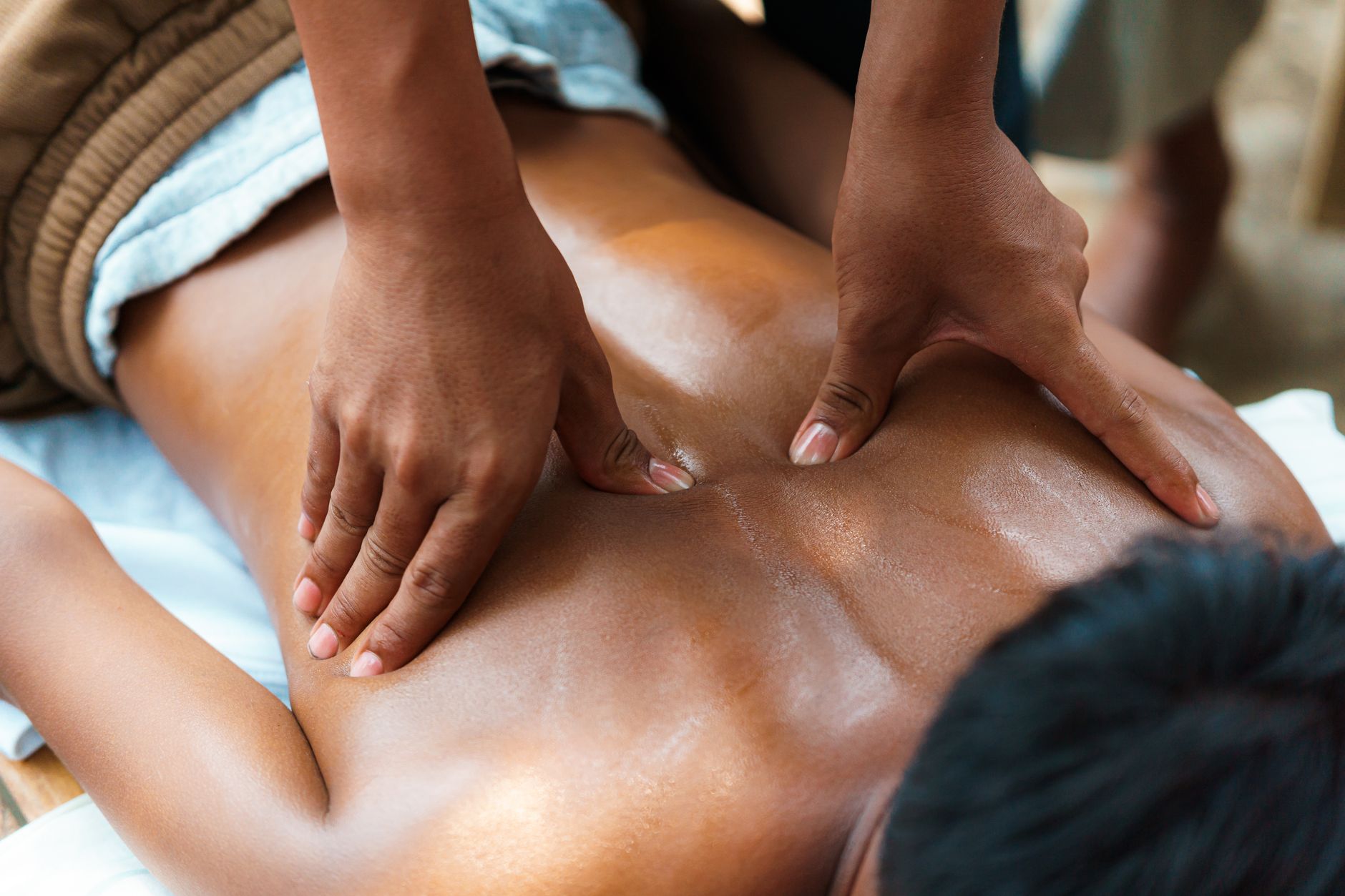
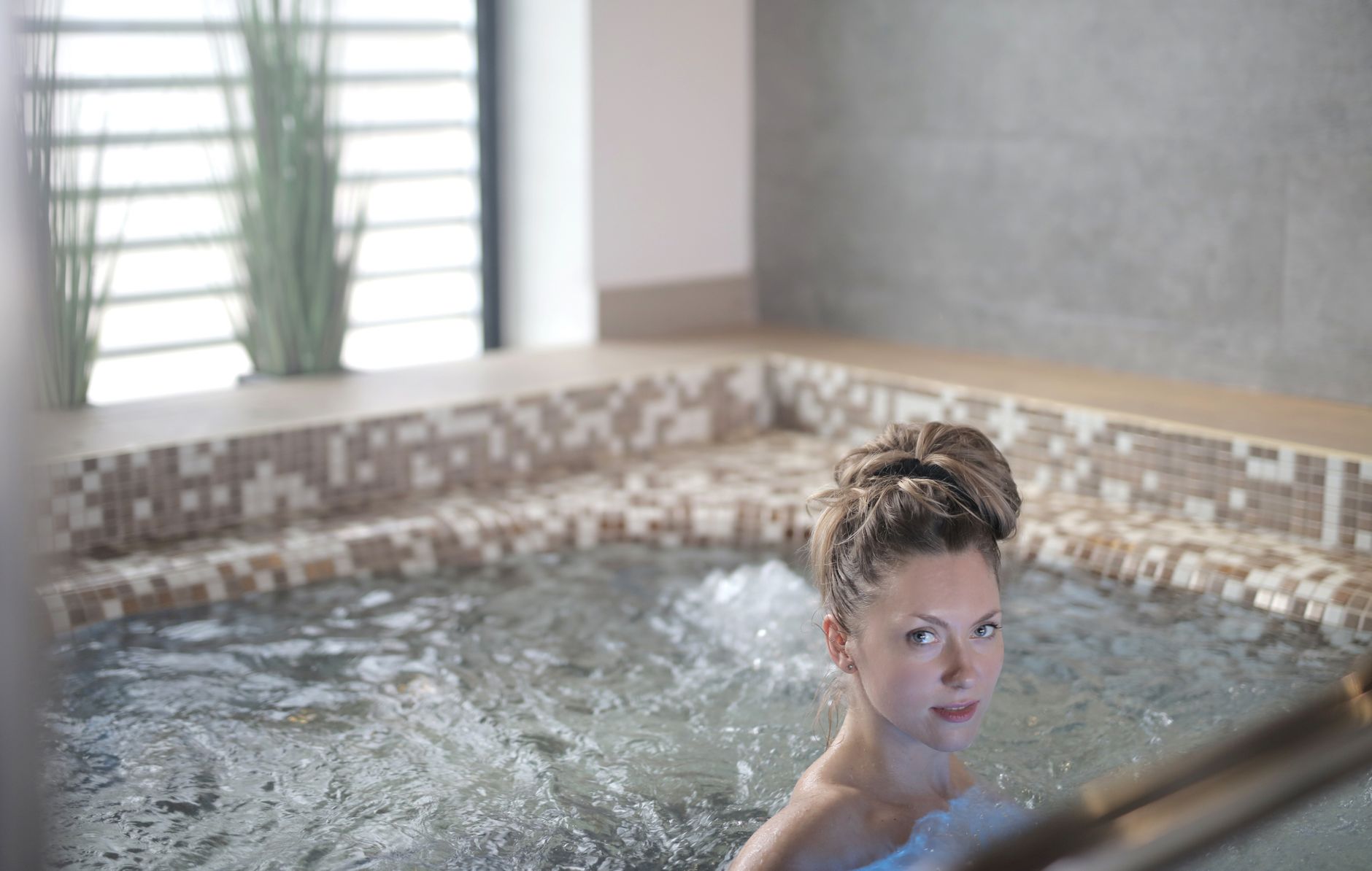
The third category is the modern wellness spa, usually attached to a hotel or operating as a standalone day spa. These venues are not regulated as medicinal baths and do not necessarily use natural thermal water at all — the water may simply be heated. What they offer instead is a curated relaxation experience: smaller, quieter pools, saunas, steam rooms, and a menu of massages, facials and beauty treatments, often bundled into half-day or full-day packages.
{{biz:away-spa-budapest-budapest-vi-kerulet}} is a good example of this style in the city centre: a boutique hotel spa focused on treatments and a calm, adults-oriented atmosphere rather than the busy public bathing-hall experience of Széchenyi or Gellért. If your priority is a scheduled massage, a facial or simply a few hours of quiet in a smaller setting, this category will usually feel more like a spa day than a trip to a historic bathhouse.
Which One Should You Actually Choose?
If you want the classic "Budapest bath" experience — big domed or Art Nouveau halls, multiple thermal pools, a mix of tourists and locals, and the option to add a massage on the day — go to one of the historic gyógyfürdő complexes like Széchenyi, Gellért, Rudas or Szent Lukács. If you are travelling with family, want slides and lawns, or are visiting in summer and want to spend the whole day outdoors, a strandfürdő such as Csillaghegyi or the Palatinus complex on Margaret Island is usually more enjoyable and often cheaper. If you specifically want a scheduled treatment, a quiet adults-only atmosphere, or you are staying at a hotel that already has its own spa, a wellness day spa like AWAY Spa is the better fit.
It is also worth knowing that some of the medicinal baths genuinely do treat specific conditions — joint and spinal issues, post-surgical rehabilitation, certain skin conditions — and Hungarian residents with a referral may be entitled to reduced-cost treatment through the public health system. If you are visiting purely for relaxation or tourism, none of that paperwork is required; you simply buy a general admission ticket like any other visitor.
Tickets and pricing. Most baths sell tiered tickets: a basic admission, a locker-only or cabin ticket (a private changing cabin costs more than a shared locker), and sometimes a "comprehensive" ticket bundling in a treatment. Buying online in advance is usually cheaper and lets you skip the ticket queue, which can be long at the big tourist baths in high season.
SZÉP-kártya. Many Hungarian spas and baths, especially the larger ones, accept the SZÉP-kártya, a benefits card that Hungarian employers can load with a tax-advantaged allowance for recreation, wellness and accommodation spending. If you are a resident employee with one of these cards, check before you go, since it can cover a significant part of the cost.
What to bring. A swimsuit and flip-flops are essential — the stone floors around the pools get slippery. Towels and bathrobes can usually be rented on-site if you do not want to bring your own, and swim caps are generally required only in the dedicated lap-swimming pools (uszoda), not in the thermal pools themselves.
Cabins versus lockers. If you are not comfortable changing in a shared locker room, pay the small extra fee for a private cabin. At the historic baths these cabins are often small, slightly worn wooden booths rather than modern changing rooms, which is part of the old-world charm for some visitors and a mild disappointment for others.
Getting there. Széchenyi is on metro line M1, right by the Mexikói út / Széchenyi fürdő station in City Park, which also makes it easy to combine with a visit to the zoo or the Museum of Fine Arts. Gellért and Rudas are both on the Buda side of the Danube, close to tram lines running along the riverbank, while the Palatinus complex is reached via the bus that crosses onto Margaret Island. None of the baths mentioned here require a car, and parking near the city-centre locations is limited and in a paid zone, so public transport is usually the simpler option.
Etiquette. Showering before entering the pools is expected and often enforced, mixed-gender areas are standard at all the baths mentioned above (some baths have separate single-sex sections or days, so check signage if that matters to you), and loud behaviour in the indoor thermal halls is generally frowned upon even though the outdoor pools and wave pools are much livelier.
The Bottom Line
"Thermal bath," "medicinal bath" and "wellness spa" are not interchangeable terms in Hungary — they describe genuinely different experiences, water sources and regulatory categories. A gyógyfürdő is built around certified therapeutic mineral water and a historic bathing-hall atmosphere; a strandfürdő is a more casual, often family-oriented outdoor pool day; and a wellness spa is a curated, treatment-focused relaxation experience that may not involve natural thermal water at all. Knowing which category you are booking will save you from the common tourist mistake of expecting a quiet spa day at a bustling historic bathhouse, or expecting water slides at a 16th-century Ottoman pool. Whichever you choose, Hungary's bathing culture is one of the country's genuine everyday pleasures, not just a photo opportunity — so it is worth taking the time to pick the right one for what you actually want out of the visit.
A practical cost breakdown for private GPs, dentists, specialists, eye care and physiotherapy in Hungary in 2026, plus how the TAJ card, háziorvos and beutaló system fits around it.
A practical guide to Budapest's District XIII for expats and newcomers: getting around, food and coffee, doctors, dentists and vets, fitness, parks, and everyday errands, with real local businesses along the way.
A practical, step-by-step guide for expats and new car owners to the mandatory Hungarian vehicle inspection: what documents you need, which stations to use across Budapest, and the mistakes first-timers often make.
muszaki vizsgacarsbudapest
Welcome to Local HungaryLet me help you find a great place today!