If you have just moved to Hungary, or you are a long-term expat who has never quite figured out how healthcare works here, you have probably heard two very different stories. One says that Hungarian healthcare is free, funded through the social security system, and that you never have to pay a forint out of pocket. The other says that nobody who can afford it actually waits for the public system, and that most expats, and a growing number of Hungarians too, pay for private doctors, dentists, and specialists instead. Both stories are true at the same time, and understanding why is the key to understanding what you will actually spend on healthcare in Hungary in 2026.
This guide breaks down what private medical care realistically costs in Hungary, how the public and private systems fit together, and which kind of appointment is worth paying for versus which one you can get through the public system without much trouble.
Public vs. Private Healthcare in Hungary: The Basics
Every Hungarian citizen and every legally employed foreign resident who pays social security contributions is entitled to a TAJ-kártya (social security card), a small green card that is your key to the public healthcare system. With a valid TAJ card, visits to your assigned háziorvos (general practitioner, GP) are free, as are most follow-up visits to public specialists, provided you have a beutaló — a referral letter from your GP or another doctor. Without a beutaló, public specialist clinics will often turn you away or push your appointment weeks or months into the future.
Prescriptions in the public system run through EESZT, the national digital health record and e-prescription platform (e-recept). Your doctor enters the prescription electronically, and you simply give your TAJ number (or ID) at any pharmacy to collect the medication, without a paper slip. Outside normal hours, an ügyeletes gyógyszertár (duty pharmacy) is open on a rotating basis in most towns for urgent prescriptions.
On paper, this sounds efficient. In practice, the public system is overloaded in several specialties — orthopedics, ophthalmology, dermatology, and dentistry especially — and the wait for a non-urgent public specialist appointment can run into months. That gap is exactly where the private sector in Hungary has grown into a large, competitive market.
Why Residents and Expats Go Private
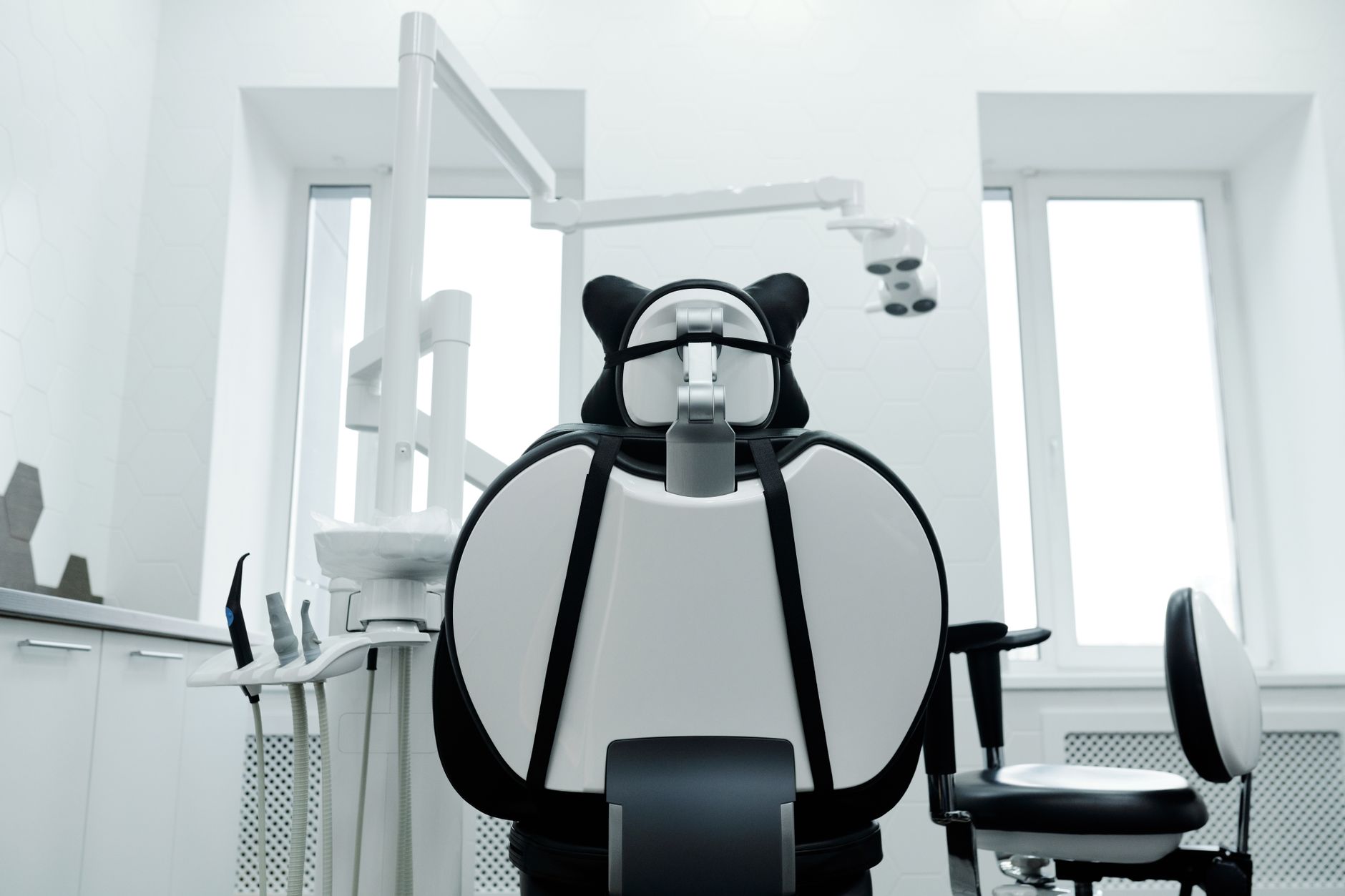
People choose private care in Hungary for a handful of very consistent reasons: speed (private appointments are often available within a day or two), convenience (many private clinics have English-speaking staff and flexible evening or weekend hours), and consistency (you can usually see the same doctor every time rather than whoever is on duty). Dentistry is a special case: routine dental care, cosmetic work, and tooth replacement are either not covered at all by the public system or are only partially subsidised, which is why Hungary has such a large private dental sector — including dental tourism from Western Europe.
None of this means the public system is not worth using. For emergencies, for háziorvos visits, and for anything covered by a beutaló, the public route is frequently the sensible first stop. Private care is best thought of as a paid shortcut and a comfort upgrade, not a replacement for social security coverage.
How Much Does a Private GP (Háziorvos) Visit Cost?
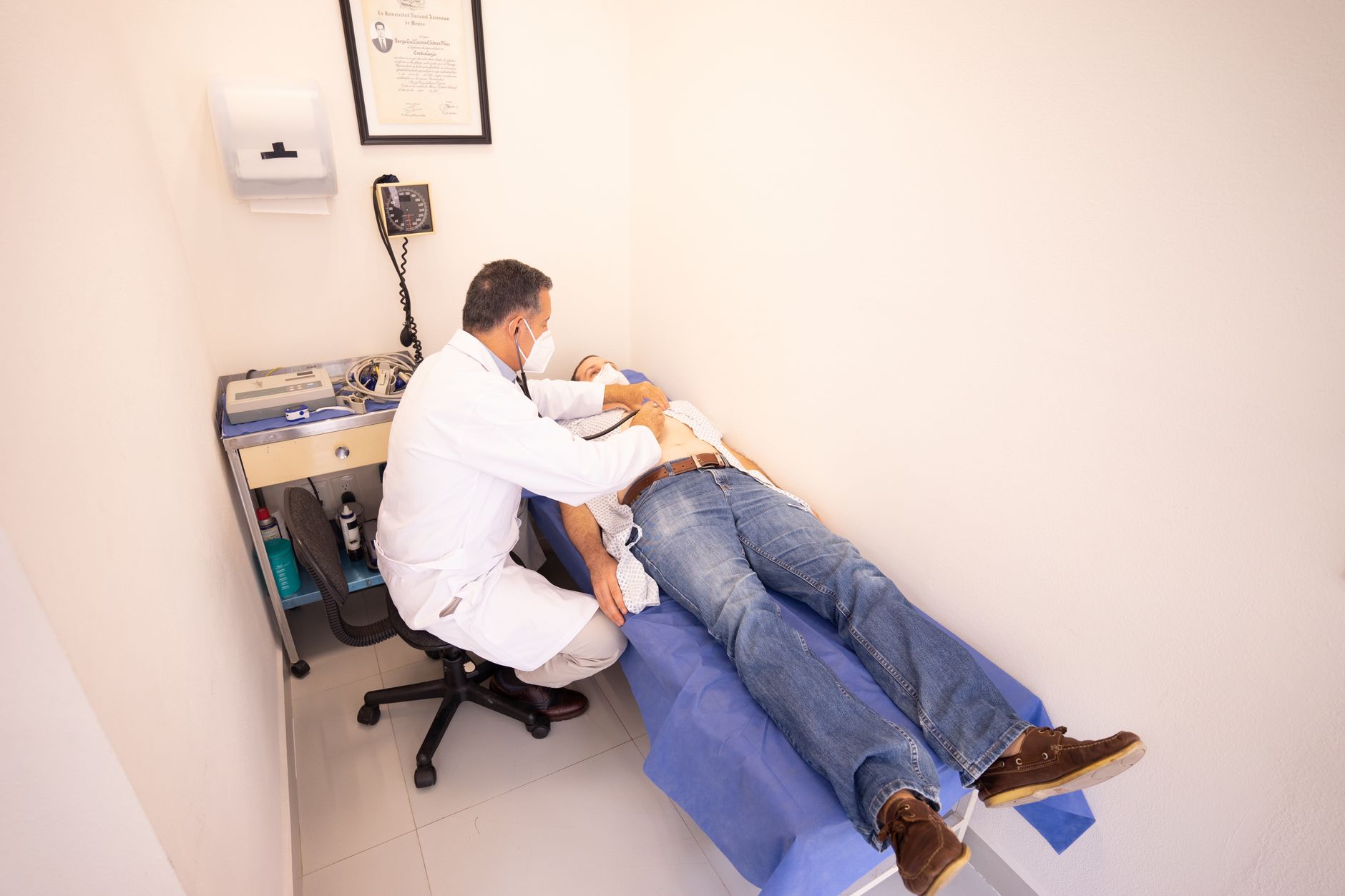
A private general practitioner visit in Budapest typically costs somewhere in the range of 12,000–25,000 Ft for a standard consultation, with simple blood work or a basic check-up package often bundled in for a higher flat fee of 20,000–45,000 Ft. Clinics that market themselves to expats and English speakers, with same-day booking and no referral required, tend to sit toward the upper end of that range.
Coordimed Rendelő in Budapest's II. kerület is one example of a private clinic offering general and family medicine consultations without the public system's referral requirements, and Haller Medical Magánrendelő in the IX. kerület runs a similar private general practice alongside broader diagnostic services.
How Much Do Dental Checkups, Fillings, and Implants Cost?
Dentistry is where the price range widens the most, because it depends heavily on the complexity of the treatment:
Dental checkup and consultation: roughly 8,000–15,000 Ft, and many clinics offer a free or low-cost first consultation to assess a treatment plan.
Professional cleaning (scale and polish): around 15,000–30,000 Ft.
A simple filling: typically 20,000–40,000 Ft per tooth, depending on the material used.
A single dental implant, including the post, varies enormously by clinic and material, but a realistic market range in Budapest runs from roughly 250,000 Ft to 450,000 Ft or more per implant, before the crown.
Orthodontic consultations (braces, aligners) usually start with a paid assessment in the 10,000–20,000 Ft range, with the full treatment plan priced separately and individually.
Clinics such as Császár Dental – Parodontológiai és Implantológiai Központ in the VII. kerület specialise in periodontal and implant work, while Clinident Fogászati Centrum in the XIII. kerület offers a broader range of general and cosmetic dental services. Both are useful starting points for getting an individual quote, since exact prices always depend on your specific treatment plan rather than a single published price list.
Dentists & Dental Clinics · Budapest District XIII
Budapest, Tutaj u. 6/b, 1133
★★★★★5.0(1,016)
How Much Do Private Specialist Consultations Cost?
A private specialist consultation (szakorvos) — whether cardiology, gastroenterology, dermatology, or internal medicine — generally costs 15,000–35,000 Ft for a first appointment, with follow-ups sometimes priced slightly lower. Diagnostic add-ons such as ultrasound, ECG, or lab panels are billed separately, typically in the 5,000–25,000 Ft range depending on what is ordered.
L33 Medical Corvin in the VIII. kerület and TritonLife Medical Center XIII. kerület both run multi-specialty private clinics where you can typically book cardiology, internal medicine, and diagnostic imaging under one roof, which saves time compared to visiting several separate private practices.
Routine eye exams with a private ophthalmologist cost roughly 15,000–25,000 Ft. The bigger expense is refractive laser eye surgery (LASIK or similar procedures), which in Budapest's private clinics generally runs from about 250,000 Ft to 450,000 Ft per eye, varying by technology and the complexity of the correction needed. Budai Szemészeti Központ in the XII. kerület is one of the clinics offering laser eye surgery consultations, where the exact quote is only given after a full pre-operative assessment.
Joint pain, back pain, and sports injuries are another area where private care is popular, mostly because public orthopedic waiting lists are long. A private orthopedic or rheumatology consultation typically costs 15,000–30,000 Ft, and a single physiotherapy session usually falls in the 8,000–18,000 Ft range, with most people needing a short course of several sessions rather than just one. Clinics offering combined rheumatology, orthopedics, and angiology consultations, such as 27 Sellő Reumatológia, Ortopédia, Angiológia in the XI. kerület, let you see more than one type of specialist without separate referrals between them.
Paying for Private Healthcare: Cards, SZÉP Card, and Insurance
Nearly all private clinics in Budapest and other larger cities accept bank cards, and most accept the SZÉP-kártya (Széchenyi Recreation Card) for wellness-adjacent treatments such as certain dental and physiotherapy services — though not for every medical procedure, since SZÉP card rules restrict it to recreation, wellness, and some health-related categories defined by the employer-funded scheme. If your employer provides private health insurance (a common benefit package in Hungary for white-collar jobs), many clinics will bill the insurer directly rather than asking you to pay and claim the cost back, but it is worth confirming this with the clinic's reception before your appointment, since direct billing arrangements vary by insurer and by clinic.
A few practical pointers that apply regardless of which specialty you need:
Ask for a price estimate before you commit. Most Hungarian private clinics do not publish a full price list online, especially for anything beyond a basic consultation, because treatment plans are individual. A phone call or email asking for an estimate is completely normal and expected.
Check whether English (or another language you speak) is actually available, not just advertised. Larger multi-specialty clinics in Budapest are generally the safest bet for this.
Look at how long the clinic has operated and how many patient reviews it has. A long track record and a large number of reviews on Google Maps is a reasonable proxy for reliability in a market where formal price transparency is limited.
For anything involving a hospital stay or surgery, clarify what is and is not included in the quoted price — anesthesia, follow-up visits, and medication are sometimes billed separately.
Keep your TAJ card and EESZT access active even if you mostly go private. Many private clinics still issue prescriptions through EESZT, and you may need the public system for emergencies, hospitalisation, or anything your private insurance does not cover.
Final Thoughts
Private healthcare in Hungary is not cheap by Hungarian wages, but compared to private medicine in Western Europe or the United States, the prices above are still relatively affordable, which is part of why medical and dental tourism to Hungary exists at all. For a newcomer, the most practical approach is usually a hybrid one: register with a háziorvos and keep your TAJ card active for free basic care and emergencies, and reserve private appointments for dentistry, specialist consultations where public waiting lists are long, and anything where speed or language matters more than saving a few thousand forints. Prices change over time and vary clinic to clinic, so always confirm the current quote directly with the business before booking.
A practical guide to Budapest's District XIII for expats and newcomers: getting around, food and coffee, doctors, dentists and vets, fitness, parks, and everyday errands, with real local businesses along the way.
A practical explainer for visitors and expats on the real differences between a Hungarian gyogyfurdo (medicinal bath), a strandfurdo (outdoor pool) and a modern wellness spa - what each offers, how to choose, and what to know before your first visit.
A practical, step-by-step guide for expats and new car owners to the mandatory Hungarian vehicle inspection: what documents you need, which stations to use across Budapest, and the mistakes first-timers often make.
muszaki vizsgacarsbudapest
Welcome to Local HungaryLet me help you find a great place today!